Hello! I’m Joey Wong—software engineer, builder, and someone who somehow turned a single line of Python into an entire career obsession.
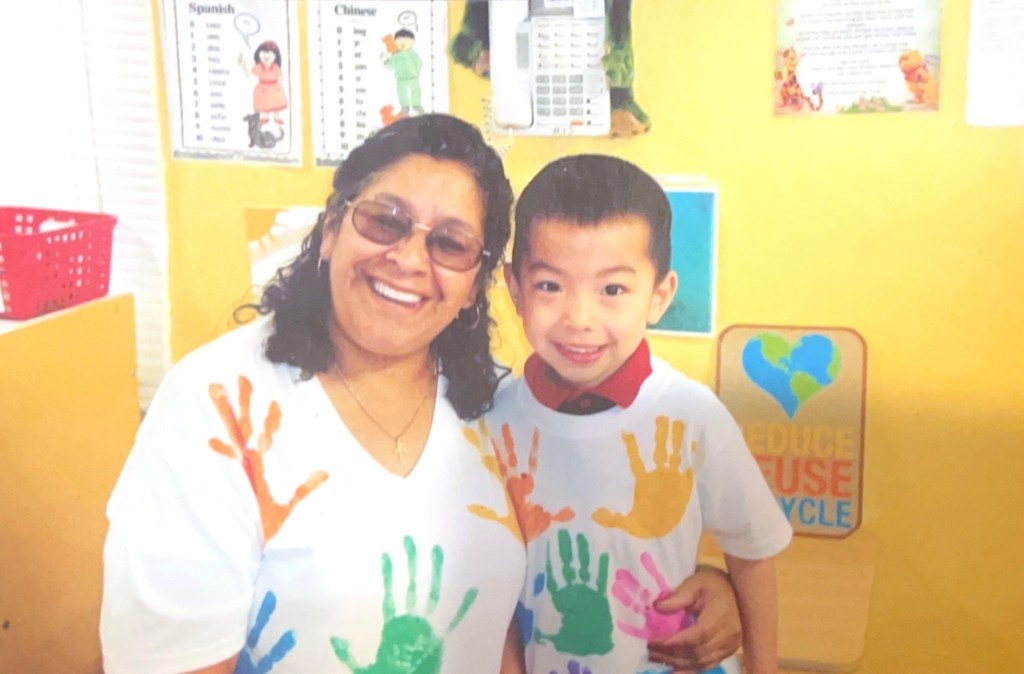
I was born in Vietnam and immigrated to the United States when I was young. Like many immigrant families, education was not just important. It was the lifeboat. My parents sacrificed a great deal to give me opportunities they never had, and growing up, there was always an unspoken understanding that I should make those sacrifices worthwhile. Looking back, I don’t think I fully appreciated that responsibility as a kid. Now, it has become one of the biggest motivations behind everything I do.
Ironically, computer science was never part of the original plan.
When I first arrived at UC Berkeley, I came in intending to study Economics. It felt like the practical choice, and at the time, I honestly had no idea what software engineers actually did all day. Then, sometime during the AI boom of 2023, two things happened. First, my dad wouldn’t stop talking about how technology was going to change everything. (At the time I mostly nodded politely while secretly thinking, “Sure… okay.”) Second, I took CS61A. That class changed everything.
I still remember writing my first few lines of code. They were incredibly simple, and I’m pretty sure they barely worked. Yet there was something strangely addictive about it. To me, programming felt less like memorizing syntax and more like solving puzzles where every bug forced me to think differently. What started as curiosity slowly turned into fascination. Three years later, it’s still surreal to think that my entire career began with a homework assignment inside Wheeler Hall.
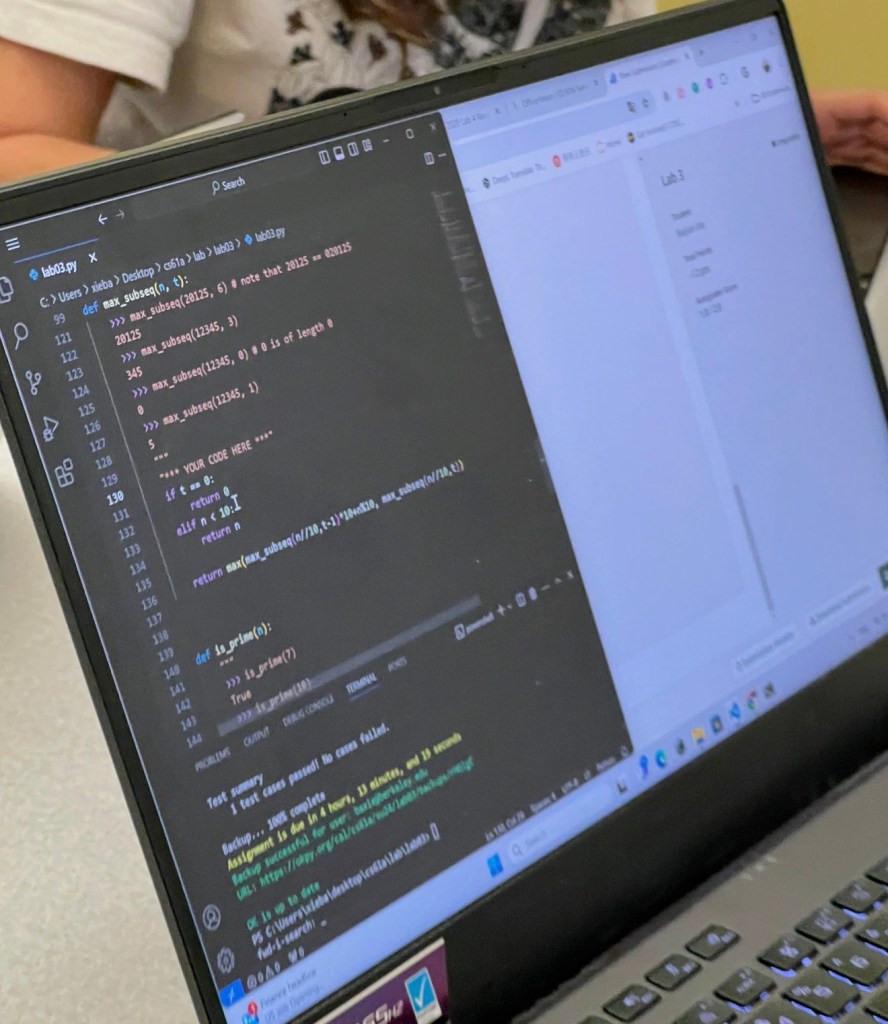
Since then, I’ve fallen in love with the endless possibilities of computer science. More than writing code, I enjoy building things that didn’t exist yesterday. Whether that’s launching startup ideas with friends, developing side projects at 2 A.M. because “this feature should only take twenty minutes” (it never does), or diving into research, I’ve realized I enjoy creating as much as I enjoy solving problems.
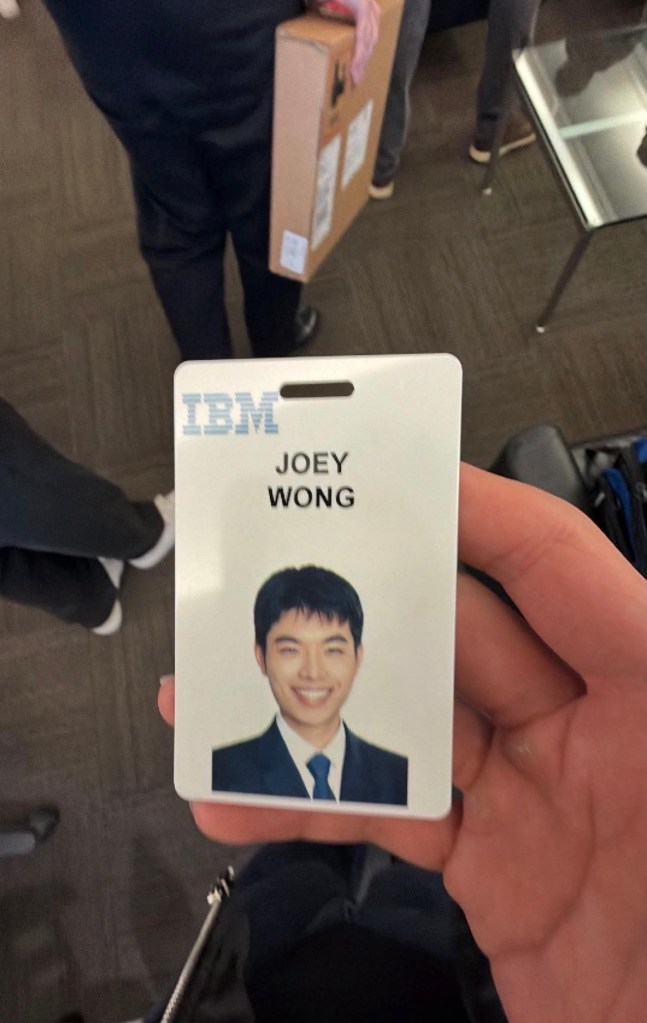
Today, I work as a Software Engineering Intern at IBM on the watsonx team for the summer, where I’ve been fortunate enough to contribute to autonomous reasoning systems. This fall, I’ll also be taking a gap semester to join Gemini in New York as a Software Engineer. Sometimes I have to pause and remind myself that just a few years ago I didn’t even know what recursion was or let alone barely knew how to code. Life moves surprisingly fast.
My interests since then have gradually centered around artificial intelligence not simply because it’s exciting, but because it feels like one of the defining technologies of our generation. I’m fascinated by how machines reason, make decisions, and interact with people, and I spend a lot of my time exploring how to make artificial intelligence… well, more intelligence. There’s still something magical about taking an abstract idea, turning it into code, and watching it come alive.
Outside of work, however, life is thankfully a little less technical.
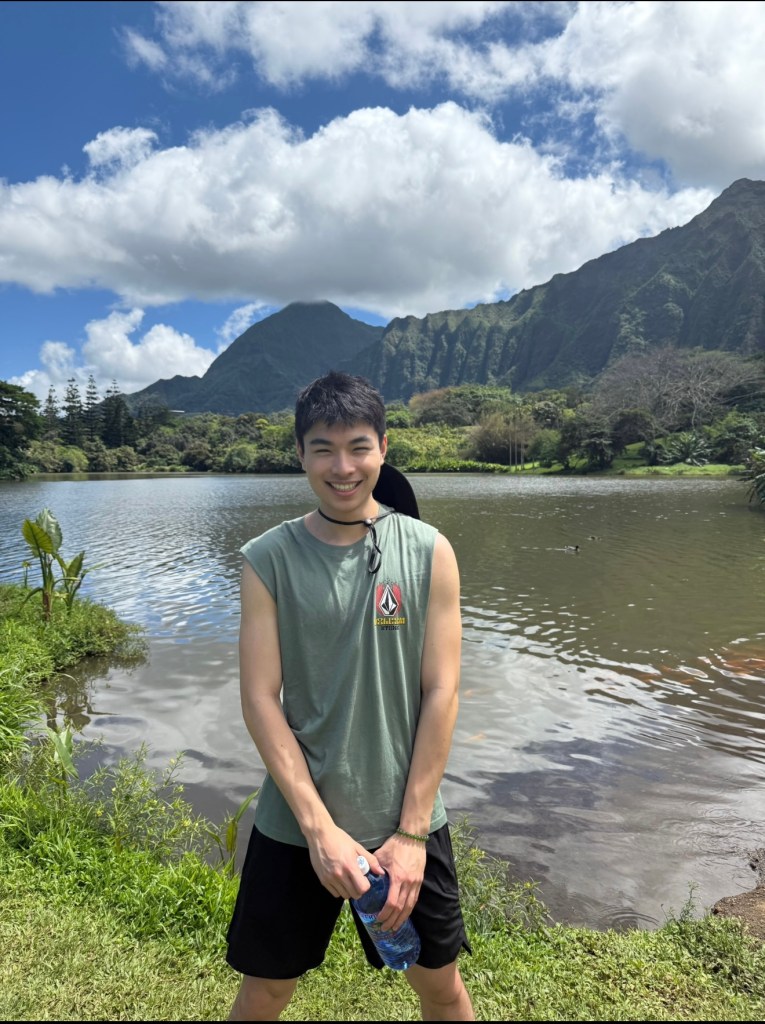
When I’m not coding, you’ll probably find me playing basketball, getting way too competitive in video games, or doing what I consider one of my greatest talents: sleeping. I’m also constantly tinkering with startup ideas. Some have actually become real projects; others have lived glorious, meaningful lives inside my Notes app before quietly retiring forever. I like to think every terrible idea is simply market validation for the next one.
As much as I enjoy building technology, I’ve realized that the code itself has never been what motivates me most. What keeps me curious isn’t just how to solve a problem, but why it’s worth solving in the first place.
I’ve always had a tendency to overthink everything, for better or for worse. I’m fascinated by philosophy, especially Buddhism, and I often find myself thinking about purpose, identity, and what, if anything, exists beyond death. Computer science has taught me how to think logically and systematically, but those questions remind me that not everything meaningful can be reduced to algorithms or optimized away. Some of the most important parts of being human, such as memory, love, loss, and belonging, are valuable precisely because they resist neat categorization. I think that’s one of the reasons I was drawn to Digital Humanities (and hence why I’m taking DH150A). It asks us to preserve not just information, but stories, experiences, and the parts of ourselves that numbers alone can never fully explain.
Perhaps the most rewarding part of my journey, though, hasn’t been the internships, research opportunities, or job offers. It’s remembering why I started in the first place. Whenever things become overwhelming, which at Berkeley happens more often than I’d like to admit, I always think back to my family. Everything I’ve been fortunate enough to accomplish has been built on their sacrifices, encouragement, and unwavering belief in me, even during the moments when I wasn’t entirely convinced in myself. Coming from an immigrant family, there has always been a quiet sense of responsibility to make those sacrifices worthwhile. Rather than feeling like pressure, it has become my greatest source of motivation. Every late-night debugging session, every rejection, every interview, and every success feels shared rather than individual because none of it would have been possible without them.
So, looking ahead, my biggest goal isn’t simply to build better software or smarter AI systems. I hope that one day I can bring the knowledge, experiences, and opportunities I’ve gained back to where it all started in Vietnam and contribute in whatever way I can, whether through technology, education, entrepreneurship, or something I haven’t even imagined yet. To me, that would be the most meaningful full-circle moment. I want to return to where my story began, not just with gratitude, but with something valuable to give back.
 joeywong2