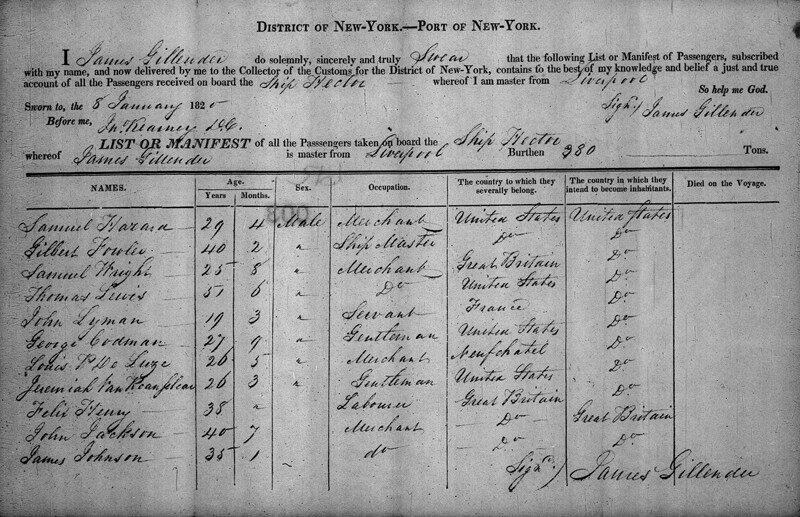
A few nights ago, I accidentally fell down a rabbit hole of Ellis Island immigration records while browsing on Instagram.
I wasn’t researching for class. I was just curious whether I could find old manifests from Vietnamese immigration. For almost an hour, I clicked through scanned documents filled with names, ages, occupations, ports of departure, and destinations. Every page looked incredibly important. It also felt strangely empty.
I realized something uncomfortable.
If someone searched those records a hundred years from now, they could probably figure out when my family arrived in the United States. They might know where we settled. Maybe they could even reconstruct our route across the Pacific.
But they would never know that my mom refuses to let anyone eat dinner until she takes a picture first. They would never know that my grandmother always adds more fish sauce than any recipe calls for because “that’s how her mother did it.” They would never know that my little cousins speak English to each other but immediately switch to Vietnamese when they’re asking grandma for food.
Those are not historical facts. But I think they’re history.
That realization actually changed how I thought about my project.
In my previous blog post, I kept asking why we archive. I ended by wondering whether archives protect meaning more than information. This week, I found myself asking a different question altogether: Who gets to decide what counts as an archive in the first place?
Somehow, I had convinced myself that there were “real” archives and then there were family photo albums, recipe books, and voice memos sitting on someone’s phone. One belonged in museums. The other belonged in a junk drawer.
In class, we’ve read that Michelle Caswell spends an entire book showing that records are never passive objects sitting quietly on shelves. They continue changing because people continue returning to them, interpreting them, arguing over them, and giving them new meanings. The archive is not frozen in time. It is something that keeps unfolding every time someone opens a box, tells a story, or remembers someone who is gone.
I don’t think I’ve ever looked at my mom’s Facebook albums that way before.
They’re not just documenting our family.
They’re still shaping it.
Every Thanksgiving someone inevitably scrolls back ten years and says, “Remember this?” Then someone else tells a story I had completely forgotten. Half the time, we end up laughing about something that isn’t even visible in the picture itself. The photograph becomes less important than the conversation it starts.
Maybe memory doesn’t live inside the archive.
Maybe it happens between the archive and the people looking at it.
That thought also made me understand why the District Six: Food & Memory Cookbook affected me so much. I expected recipes. Instead, I found stories disguised as recipes. The cookbook never lets food exist by itself. Every dish carries someone’s neighborhood, someone’s childhood, someone’s family, someone’s forced displacement. Reading it, I slowly realized that recipes are really excuses to talk about people. The ingredients matter, but the memories surrounding them matter even more.
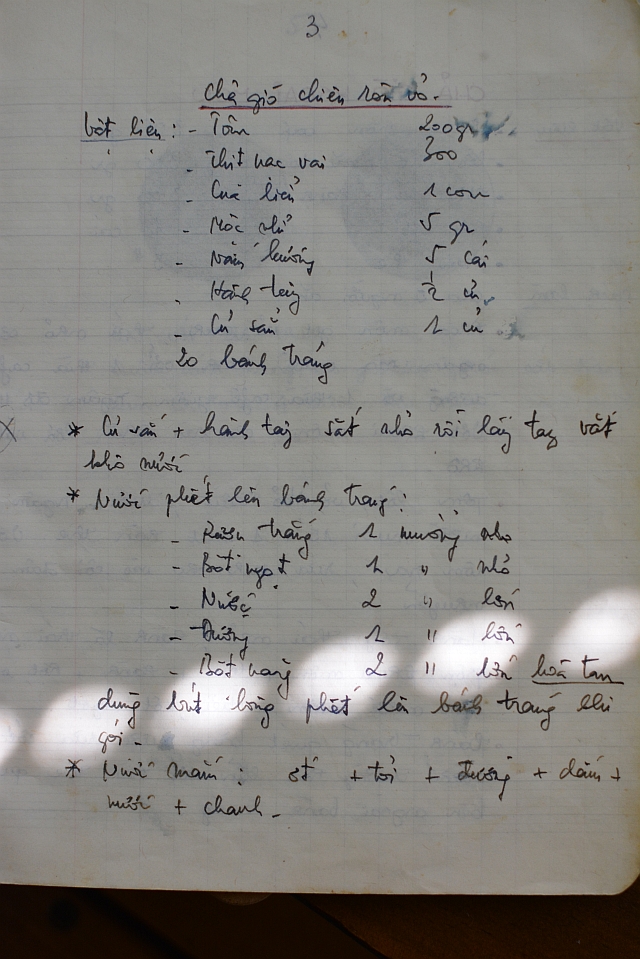
It also made me think about Vietnamese food in a completely different way. Whenever my mom cooks something my grandmother taught her, nobody measures anything. Someone tastes the broth. Someone says it needs more fish sauce. Someone else says grandma used to do it differently. The recipe is never written down, yet somehow everyone knows it.
If I only archived the recipe, I would lose the archive.
The archive is the argument about the recipe.
This has also made me rethink what kinds of knowledge I actually want my project to preserve.
Traditional archives are remarkably good at answering factual questions.
When did someone immigrate?
Where did they arrive?
What documents did they carry?
What was their legal status?
Those questions matter.
But they aren’t the only questions worth asking.
I’m much more interested in questions that don’t fit neatly inside government records.
What language did a family slowly stop speaking?
Which traditions survived, and which quietly disappeared?
How did home sound?
What jokes kept getting repeated across generations?
What objects were so ordinary that nobody thought to preserve them until it was almost too late?
Those questions can’t always be answered with documents.
Sometimes they require photographs. Sometimes audio recordings. Sometimes recipes.Sometimes memories. Sometimes they require admitting that nobody knows the answer anymore.
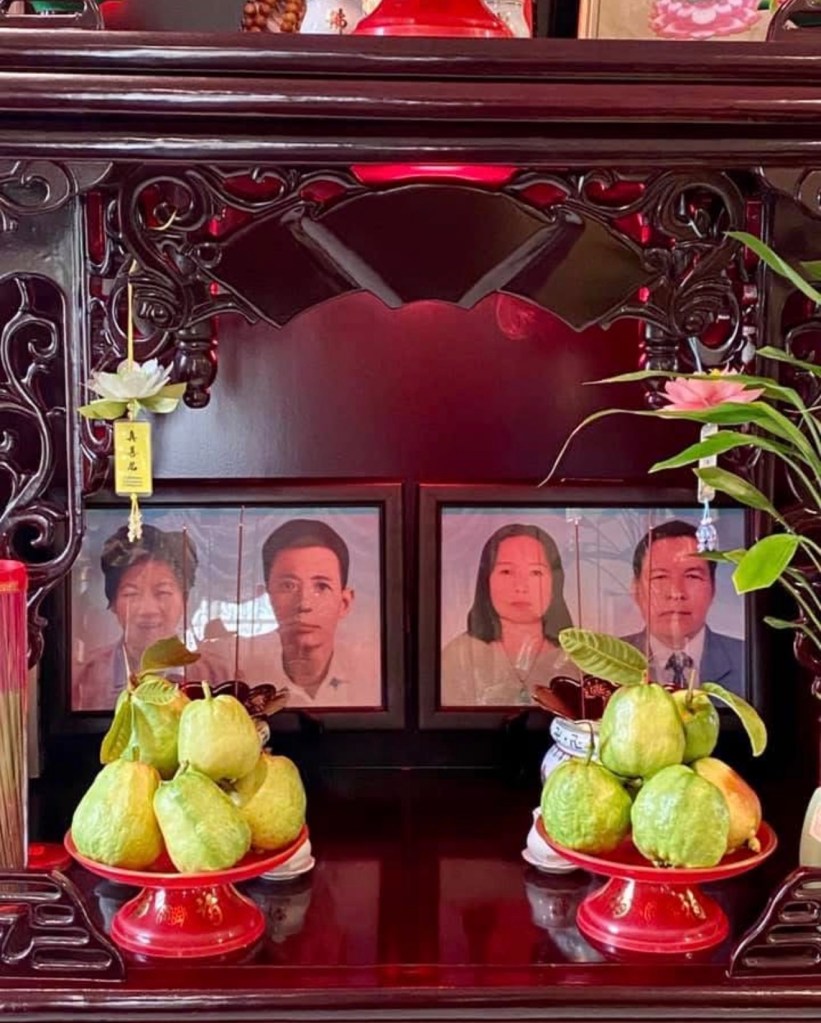
As I kept thinking about my archive, I realized I want to combine several different ways of knowing. Documentary records provide historical evidence. Oral histories preserve lived experience. Recipes communicate cultural knowledge that is rarely written down. Photographs trigger collective memory. Sound recordings capture accents, pauses, and emotions that transcripts often flatten. Even rituals, like celebrating Tết or lighting incense for ancestors, preserve knowledge through repeated practice rather than written documentation. None of these sources tells the complete story on its own, but together they create a fuller understanding of what immigration actually feels like.
I think that uncertainty is important too.
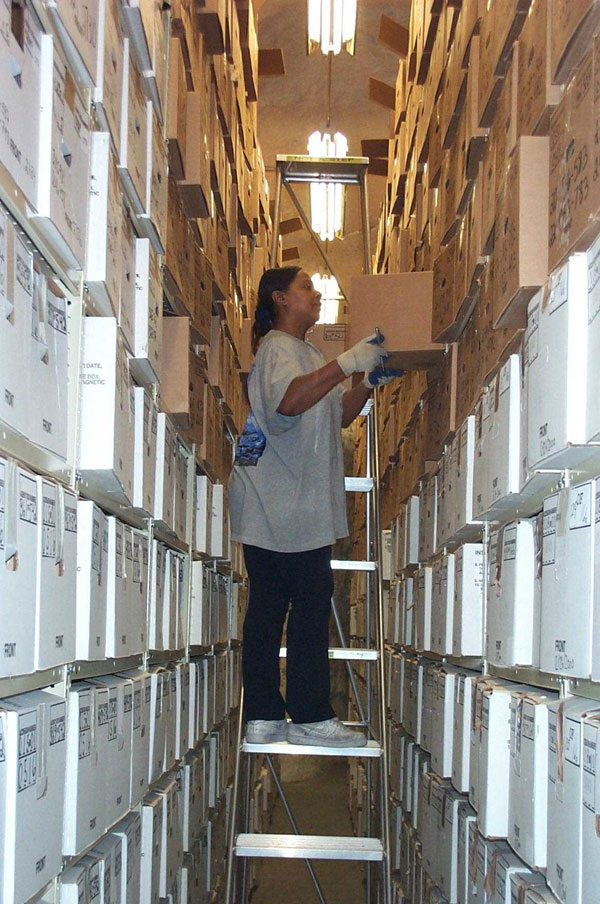
The Region of Peel Archives reminds readers that archivists never preserve everything. Someone always decides what gets kept, and what quietly disappears. That process of appraisal means every archive reflects human judgment as much as historical reality.
For some reason, I found that strangely comforting. I’ve been worried that my project could never tell the complete story of my family’s immigration. Now I realize that no archive can.
There were photographs never taken. Conversations nobody recorded.Recipes nobody wrote down. Stories my grandparents forgot before I was old enough to ask.
Those absences don’t weaken the archive.
They become part of it.
So I think I’ve finally figured out what I’m grounding my project in.
Not immigration by itself.
There are already remarkable archives documenting migration through visas, passenger manifests, census records, and government paperwork. Those collections tell us where people went, when they arrived, and how nations recorded their movement.
But, I’m interested in what those records leave behind. Therefore, the topic grounding my project is not immigration, but the everyday archives of Vietnamese immigration. I want to explore how photographs, oral histories, recipes, music, home videos, family rituals, and ordinary objects preserve cultural memory long after migration.
The everyday traces that rarely make it into official collections.
Photographs taped inside family albums. Recipes passed between generations. Holiday traditions that survive thousands of miles from where they began. The sounds of a language spoken at home.
Objects carried across borders because they mattered to someone, even if nobody else would have recognized their significance.
I chose these materials because they preserve forms of knowledge that official documents often cannot. A recipe preserves relationships. A photograph preserves moments that later become stories. An oral history preserves someone’s voice, hesitation, and emotion. These ordinary objects reveal how people actually experience migration rather than simply documenting that migration occurred.
So, rather than building an archive centered on one family’s story, I want to curate a broader collection of Vietnamese immigrant experiences using photographs, oral histories, recipes, music, home videos, community archives, and everyday artifacts that have already been preserved by families and cultural organizations. My own experiences will help guide the project, but I hope the archive reflects something larger than myself.
I don’t want this project to replace traditional documentary archives.
I want it to sit beside them.
Rather than asking readers to choose between official records and everyday memories, I hope the project demonstrates that both are necessary. Documentary archives tell us what happened. Everyday archives help us understand what those events meant to the people who lived through them.
Official records can tell us that people left Vietnam and built new lives elsewhere. But I hope this archive can begin to explain how pieces of Vietnam traveled with them, quietly reshaping ideas of family, memory, and home long after the journey itself had ended.
Maybe immigration is not only the story of crossing a border.
Maybe it is also the story of everything that refuses to stay behind.
 joeywong2