I spent an embarrassing amount of time this week clicking through archives that had absolutely nothing to do with Vietnamese immigration.
I kept telling myself I was “doing research.”
At some point, though, I realized I’d opened fifteen tabs, forgotten why I’d opened the first twelve, and somehow ended up reading about Indigenous baskets in New England.
I wish I could say this was excellent time management. It was not. But somewhere between getting hopelessly lost inside beautifully designed archives and hopelessly lost inside badly designed ones, I realized something that hadn’t occurred to me before.
Building an archive isn’t just about deciding what belongs inside it. It’s also about deciding how someone discovers it.
In my first blog, I wondered why we archive at all. Last week, I started questioning what even counts as an archive. This week, I found myself thinking less like a researcher and more like a visitor.
If someone lands on my archive without knowing my family, without knowing Vietnamese history, and without knowing why I built it, what kind of experience do I want them to have?
That question completely changed how I evaluated the archives I visited.
The first archive that genuinely stayed with me was the South Asian American Digital Archive (SAADA).
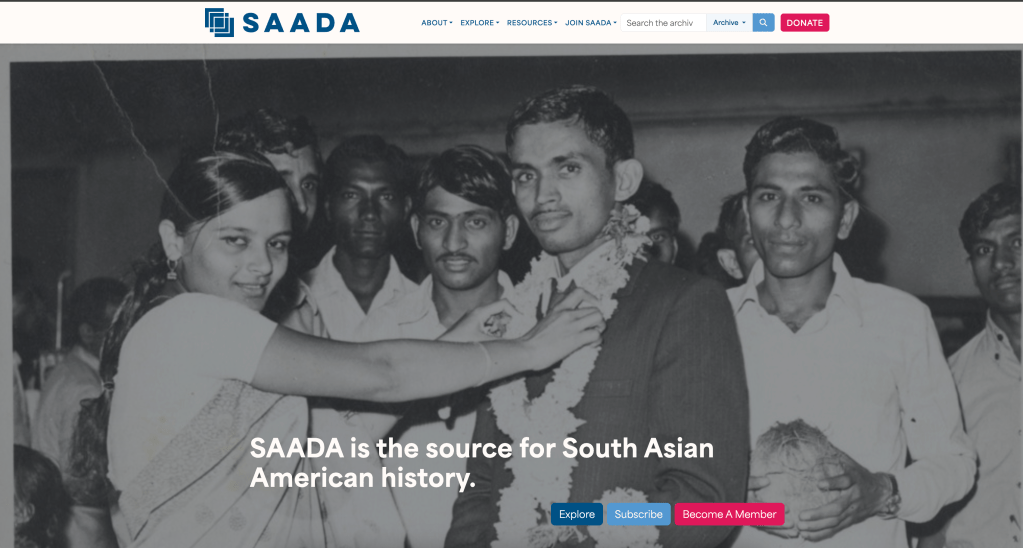
What impressed me wasn’t simply the size of its collection. It was how human everything felt. Instead of overwhelming visitors with thousands of isolated records, SAADA organizes materials around stories, themes, and communities. Photographs, letters, oral histories, newspapers, and personal objects exist alongside one another, allowing visitors to move through experiences rather than simply browse files.
I kept clicking because every item seemed connected to another question. One photograph led to an oral history. That oral history referenced a newspaper clipping. Before long, I wasn’t thinking about metadata anymore. I was thinking about people.
That experience reminded me of María Eugenia Cotera’s argument that archives should become sites of dialogue rather than static collections to be interpreted. She describes “fleshing the archive” by reconnecting documents with relationships, lived experience, and community rather than treating them as detached historical evidence.
I realized that’s exactly what I want my own archive to do.
Not simply display photographs.
Invite conversations around them. I want visitors to remember a story, click another object, hear another voice, and slowly realize they’re building connections of their own.
At the same time, I also noticed something I would approach differently.
Sometimes I found myself wanting another way to navigate the archive emotionally rather than historically. What if I wanted to browse memories about food? Or childhood? Or language loss? Or family traditions?
That made me think about the feedback I received on my project proposal for the midterm as well. One groupmate suggested allowing visitors to filter the archive by emotions or themes rather than simply chronology. So, the more I explored SAADA, the more I liked that idea.
Instead of asking visitors to search by year, maybe they could search by feelings.
Homesickness.
Celebration.
Belonging.
Separation.
Those categories feel much closer to how people actually remember their lives.
The second archive I spent a long time exploring was Densho.
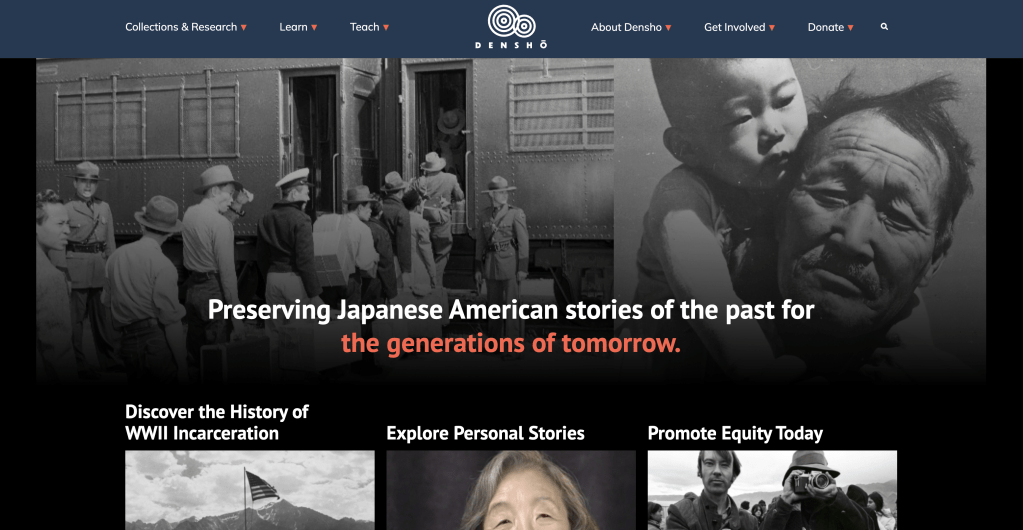
What immediately stood out was its extraordinary collection of oral histories. Listening to someone speak is fundamentally different from reading a transcript. Their pauses, laughter, hesitation, and emotion communicate things that words on a page simply cannot.
That reminded me of the Vietnamese refugee oral histories I shared in my last blog. I wrote then that transcripts often flatten experience. After spending time with Densho, I believe that even more strongly.
A voice carries memory differently.
It also made me appreciate Gilliland’s discussion of metadata in a new way. Metadata isn’t simply information about an object; it preserves context that helps future audiences understand why something matters.
An interview is never just an interview.
Who recorded it?
When?
What questions were asked?
What memories surfaced unexpectedly?
Those details become part of the archive itself.
Still, even Densho made me wonder whether digital archives sometimes assume visitors already know what they’re looking for.
As someone who enjoys wandering through websites with absolutely no plan (see: Indigenous basket detour), I kept wishing there were more opportunities for accidental discovery.
Maybe a “Surprise Me” button. Maybe rotating featured objects.
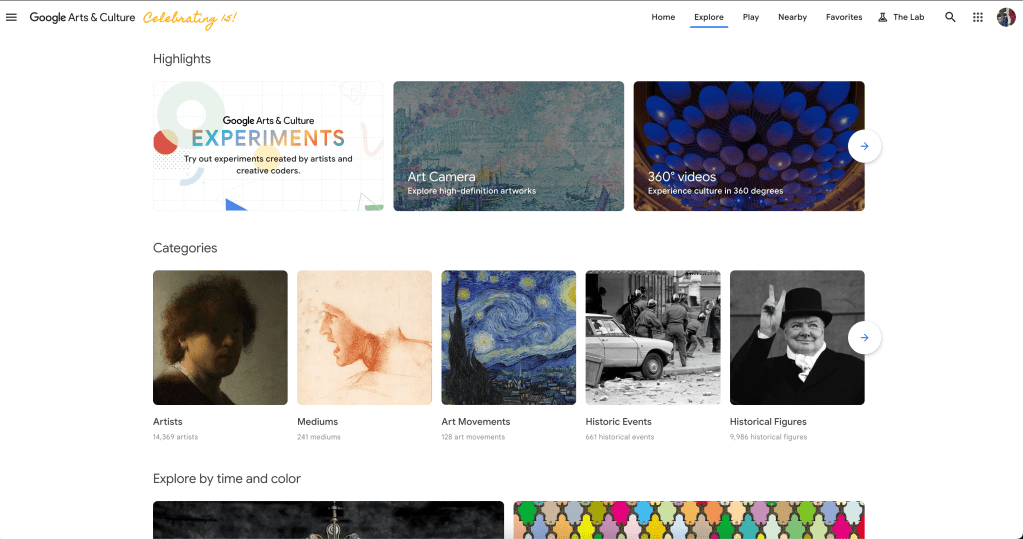
Maybe thematic collections that changed every month.
Sometimes the best discoveries happen because we weren’t looking for them.
That idea also connected with Elijah Gaddis’s discussion of ordinary objects that we reviewed in class. He argues that newspapers, clothing, trees, and everyday possessions accumulate meaning over time because people continually reinterpret them. Objects don’t merely preserve history; they continue producing it.
I think that’s one of the biggest lessons I’ve taken away from this course so far.
Archives are not really about things.
They’re about relationships between things. Between recipes and conversations. Between photographs and memories. Between objects and people. Between past and present.
That realization has also changed what kinds of resources I want to continue exploring as I build my own project.
Cotera’s work has convinced me that community archives deserve the same scholarly attention as institutional collections. Gaddis has shown me how ordinary objects can become historical evidence. Caswell has challenged me to think critically about power and absence within archives. Gilliland has completely changed how I think about metadata, while Undocumented: A Worker’s Fight reminded me that immigration is lived through kitchens, workplaces, neighborhoods, and families rather than simply through legal paperwork.
Those are the scholars I expect to keep returning to throughout this project. Not because they all agree. But because together they keep asking a question I don’t think I’ll ever get tired of: How do ordinary lives become history?
Methodologically, I also want to continue exploring oral history, community archiving, metadata design, and material culture analysis because together they encourage visitors not simply to consume history but to participate in remembering it.
As I continue sketching ideas for my archive, I’ve realized I’m designing something for two different audiences.
One audience already knows these stories because they lived them.
The other knows almost nothing about Vietnamese immigration.
If my archive works, both groups should leave having learned something new.
One might discover a forgotten memory.
The other might discover that archives were never only about preserving the past.
Sometimes they’re about helping strangers understand one another.
And if I can keep at least one visitor from accidentally ending up in the Indigenous basket collection for forty-five minutes…
I’ll consider that a successful user experience.
 joeywong2